
Blogs
How eating clean for my gut changed my life (From the Inside Out)
“Life moves pretty fast. If you don’t stop and take care of yourself once in a while, you could miss it.” I
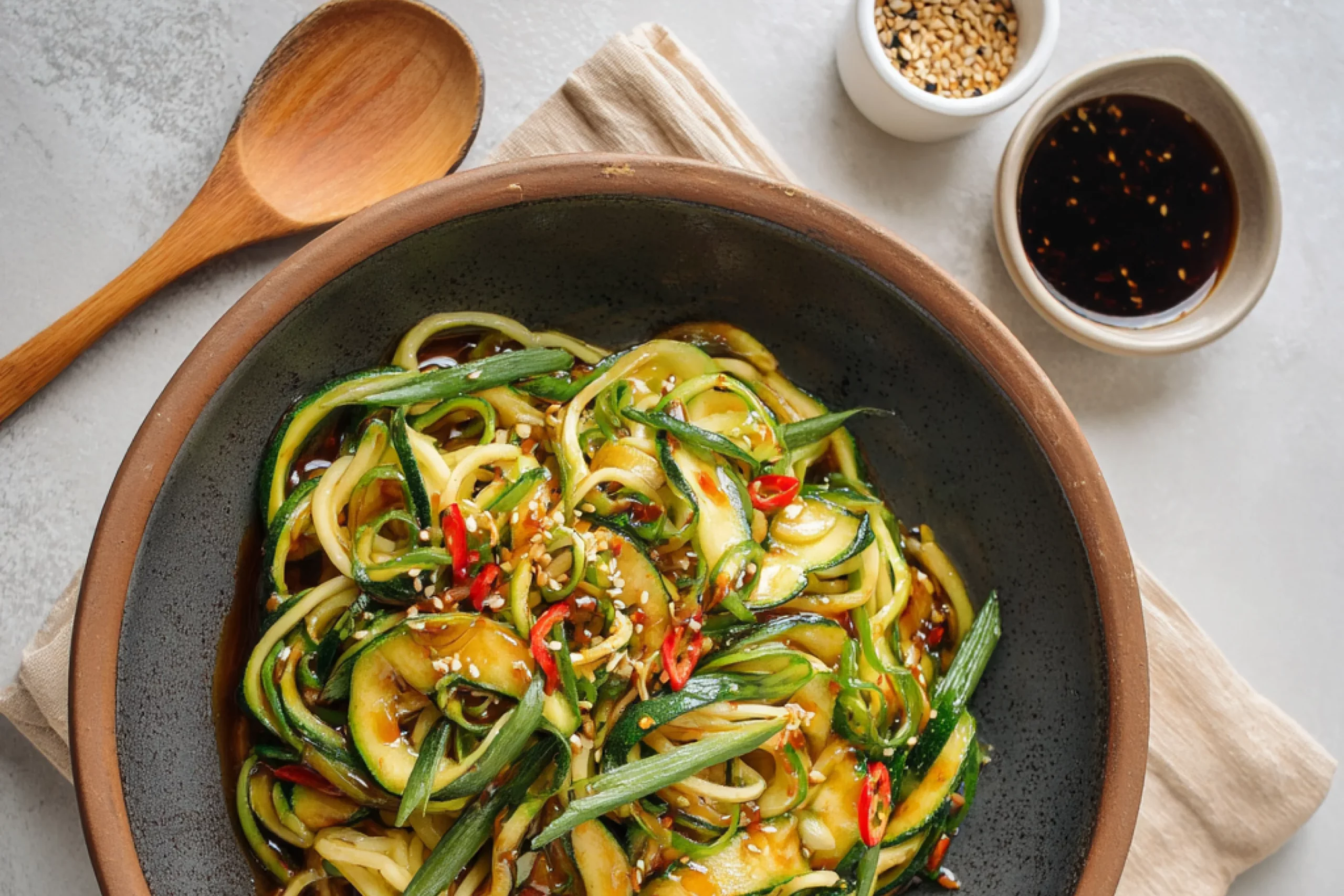
Zucchini noodles, or “zoodles”, are a fantastic low-carb, gluten-free alternative to traditional pasta. Whether you’re looking to reduce carbs or simply try something new, zucchini noodles are incredibly versatile and can be made in a variety of ways, but they come with their own set of challenges when cooking. Zucchini is made up of 95% water, which can lead to soggy, mushy noodles if they are overcooked.
A spiralizer is the most popular tool for making zucchini noodles. It’s designed to quickly turn vegetables into spiral shapes, and it usually has multiple blade settings for different noodle sizes. Here’s how to use it:
Step 1: Place the zucchini in the spiralizer, securing it in place.
Step 2: Turn the handle (or press the vegetable into the spiralizer, depending on the model) while pushing the zucchini towards the blade.
Step 3: Continue turning until the entire zucchini has been spiralized. You’ll be left with long, curly noodles.
Tip: Choose a spiralizer with different blade options for varying noodle thicknesses (like spaghetti or fettuccine).


A julienne peeler is a handheld kitchen tool that’s perfect for creating zucchini noodles, especially if you don’t want to invest in a spiralizer. It works similarly to a vegetable peeler, but with jagged edges that create thin strips.
Step 1: Hold the zucchini firmly and run the julienne peeler along its length, creating long strips.
Step 2: Rotate the zucchini as you peel to get noodles from all sides.
Tip: A julienne peeler is best for creating thinner, more delicate noodles. It’s also a great option for small batches or when you don’t need a lot of noodles.
A mandoline is a versatile slicing tool that can be used to create thin, even slices of zucchini, which can then be julienned into noodles. It’s great for those who want consistent thickness and uniformity.
Step 1: Set the mandoline to a julienne setting (if available) or use the regular slicing blade to create flat slices.
Step 2: Stack the slices and slice them into thin, noodle-like strips using the mandoline’s julienne blades.
Tip: Be careful when using a mandoline, as the blades are sharp. Always use the safety guard to protect your hands.
If you have a KitchenAid stand mixer, the KitchenAid Spiralizer attachment makes spiralizing vegetables incredibly easy. It’s perfect for creating large batches of zucchini noodles quickly and efficiently.
Step 1: Attach the spiralizer to the stand mixer, and place the zucchini in the holder.
Step 2: Choose the appropriate spiralizing blade for the noodle thickness you prefer.
Step 3: Turn on the mixer, and let the spiralizer do the work! The zucchini will be transformed into beautiful noodles in seconds.
Tip: The KitchenAid Spiralizer works quickly and consistently, making it ideal for larger meal prep or for those who make zoodles regularly.


Handheld spiralizers are a more compact and budget-friendly alternative to a countertop model. They are perfect for smaller quantities of zoodles and are very easy to store.
Step 1: Place the zucchini into the spiralizer and secure it using the hand crank or knob.
Step 2: Turn the crank or press the zucchini toward the blade, and the noodles will form as you work.
Step 3: Keep turning until the zucchini is fully spiralized.
Tip: Handheld spiralizers are a great choice for those who don’t need to spiralize a lot of vegetables at once. They’re portable and easy to clean, making them a good choice for quick, smaller meals.
One of the simplest ways to enjoy zoodles is to eat them raw. Raw zucchini noodles have a firm, crunchy texture that makes for a refreshing addition to salads or as a base for sauces, especially if you’re looking for a light, low-calorie dish. You can use a spiralizer or julienne peeler to create the noodles and serve them as they are. Adding a flavorful dressing or sauce (like a pesto or tomato-based sauce) can elevate the flavor while keeping the noodles crispy.
Sautéing is a great way to cook zucchini noodles while preserving their texture. Heat a little olive oil in a skillet over medium heat, then add your zoodles. Sauté for about 2–3 minutes, stirring frequently. The key is to cook them just enough to soften them slightly without releasing too much water. You can season with garlic, salt, pepper, and other herbs of your choice for added flavor. Be sure to not overcook them, or they will become soggy.
While boiling zucchini noodles is an option, it’s important to not overdo it. Boil them for only about 1–2 minutes, or just until they’re tender. If left in the water too long, the noodles will soak up too much moisture and become mushy. Boiling is ideal if you want to soften the noodles a little before adding them to a sauce or serving them in a dish like soup. To avoid excess water, you can drain and pat the noodles dry with a paper towel before serving.
Baking zucchini noodles is another method to enjoy them. Preheat your oven to 375°F (190°C) and spread the zoodles on a baking sheet lined with parchment paper. Drizzle with olive oil and season with your preferred spices. Bake for about 10–15 minutes, checking occasionally to ensure they don’t become too soft. This method works well if you want to add them to a casserole or bake with cheese and sauces. Just keep in mind that baking will reduce the noodles’ moisture, but if overbaked, they can still turn out a little limp.


Salt the Zoodles: After spiralizing, sprinkle your zoodles with a bit of salt and let them sit in a colander for about 10 minutes. The salt will draw out some of the excess moisture. Pat them dry with paper towels before cooking to prevent sogginess.
Don’t Overcook: Zucchini noodles need only a short cooking time, so be sure to keep an eye on them. Overcooking is the main cause of mushy zoodles.
Serve Immediately: Zoodles tend to release moisture as they sit, so it’s best to serve them right after cooking to maintain their texture.
“Life moves pretty fast. If you don’t stop and take care of yourself once in a while, you could miss it.” I

Before you can effectively manage weight, energy, or nutrition, you need to understand how many calories your body actually burns. This starts