Blogs
How eating clean for my gut changed my life (From the Inside Out)
“Life moves pretty fast. If you don’t stop and take care of yourself once in a while, you could miss it.” I

This short guide is for those who are just starting out in the kitchen and need to learn something useful that works not only for making pancakes but also for other baked goods. I know many of you are probably familiar with the basics, but let’s revisit some important rules and tricks that will make your baked treats lighter, fluffier, and more delicious. In addition to pancakes, we’ll also talk about how to achieve perfect whipped egg whites – the foundation of many desserts, from soufflés to mousses and meringues.
First, let’s clarify the difference between baking soda and baking powder. Baking soda is pure sodium bicarbonate and requires an acid to react and produce carbon dioxide, which makes the batter rise. The acid can come from lemon juice, yogurt, vinegar, or even certain fruits. Baking powder, on the other hand, already contains both the base and the acid, making it “ready to use” – ideal for recipes where no additional acid is added. You’re probably seeing the difference now and understand why sometimes there’s no need to add yogurt when using baking powder. That’s why, in some desserts, we use baking powder without any extra acidic ingredients – simply because the batter already has everything it needs to rise and become fluffy. This way, we can control the texture and taste without altering the flavor of the final product.
And what do whipped egg whites do? When you beat the whites, air is incorporated into them, creating tiny air pockets in the batter. These pockets act as natural air bubbles that make baked goods incredibly light and fluffy, without needing to add a ton of leavening agents. This is the key to perfect pancakes, muffins, cakes, and soufflés.
So, if you want incredibly light and airy pancakes but don’t want to rely on extra baking powder, there is a simple trick – whipping the egg whites separately! This method creates tiny air pockets in the batter, resulting in soft, fluffy pancakes without the need for excess leavening agents.
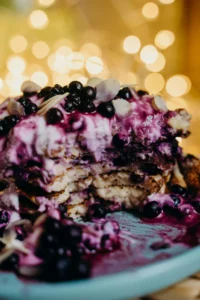

Separate the eggs – Crack the eggs and carefully separate the yolks from the whites. Place the yolks in one bowl and the whites in another.
Prepare the batter – Mix the egg yolks with the other wet ingredients (milk, melted butter, vanilla) and then combine with the dry ingredients (flour, protein powder, salt, and baking powder). The batter may look thick at this stage.
Whip the egg whites – Using a hand mixer or whisk, beat the egg whites until they form stiff peaks (when the peaks stand up without collapsing). This step incorporates air into the batter.
Gently fold in the egg whites – Carefully fold the beaten egg whites into the pancake batter using a spatula. Be gentle to avoid deflating the air bubbles – this is what makes the pancakes fluffy.
Cook as usual – Heat a pan or griddle over medium heat and cook the pancakes until golden brown on both sides.
And remember, the best pancakes are the ones made by feel – once you know the right ingredients and techniques!
How to get those perfectly beaten egg whites every time (without overbeating!)
Many people wonder why their egg whites sometimes remain watery or just won’t whip up to stiff peaks, despite their efforts. The reasons are often small but crucial – and there are a few tricks that can make all the difference. One of the most important rules to keep in mind is that your bowl must be completely clean and free of any grease – even the tiniest trace of butter or yolk can ruin the whole process. But this is just the beginning – read on to learn all the steps and techniques that ensure perfectly whipped egg whites every time.
Start with Clean, Dry Equipmen:
Any grease or water on your bowl or whisk can prevent egg whites from whipping properly. Use a glass or metal bowl (plastic can hold grease) and make sure it’s completely dry.
Use Room Temperature Egg:
Cold egg whites take longer to whip. Let your eggs sit at room temperature for 15–20 minutes before beating for better volume and stability.
Separate Eggs Careful:
Even a tiny drop of yolk can prevent egg whites from forming stiff peaks. Use three bowls – one for separating, one for whites, and one for yolks – to avoid ruining the whole batch if a yolk breaks.
Add a Stabilize:
A pinch of salt, cream of tartar* (⅛ teaspoon per egg white), or a few drops of lemon juice helps the egg whites hold their structure and prevents overbeating.
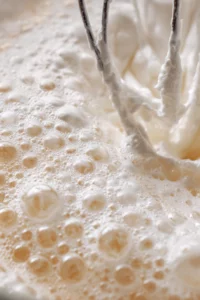

Beat at the Right Speed:
Start at low speed until the egg whites turn foamy, then gradually increase to medium-high. Beating too fast from the beginning can lead to unstable peaks.
Stop at Stiff Peaks (but not beyond!):
Don’t be afraid to experiment, trust your senses, and have fun in the kitchen – after all, the best recipes are the ones made with care and a little bit of curiosity. Happy cooking, and may all your pancakes (and desserts) be light, airy, and irresistibly delicious!

“Life moves pretty fast. If you don’t stop and take care of yourself once in a while, you could miss it.” I
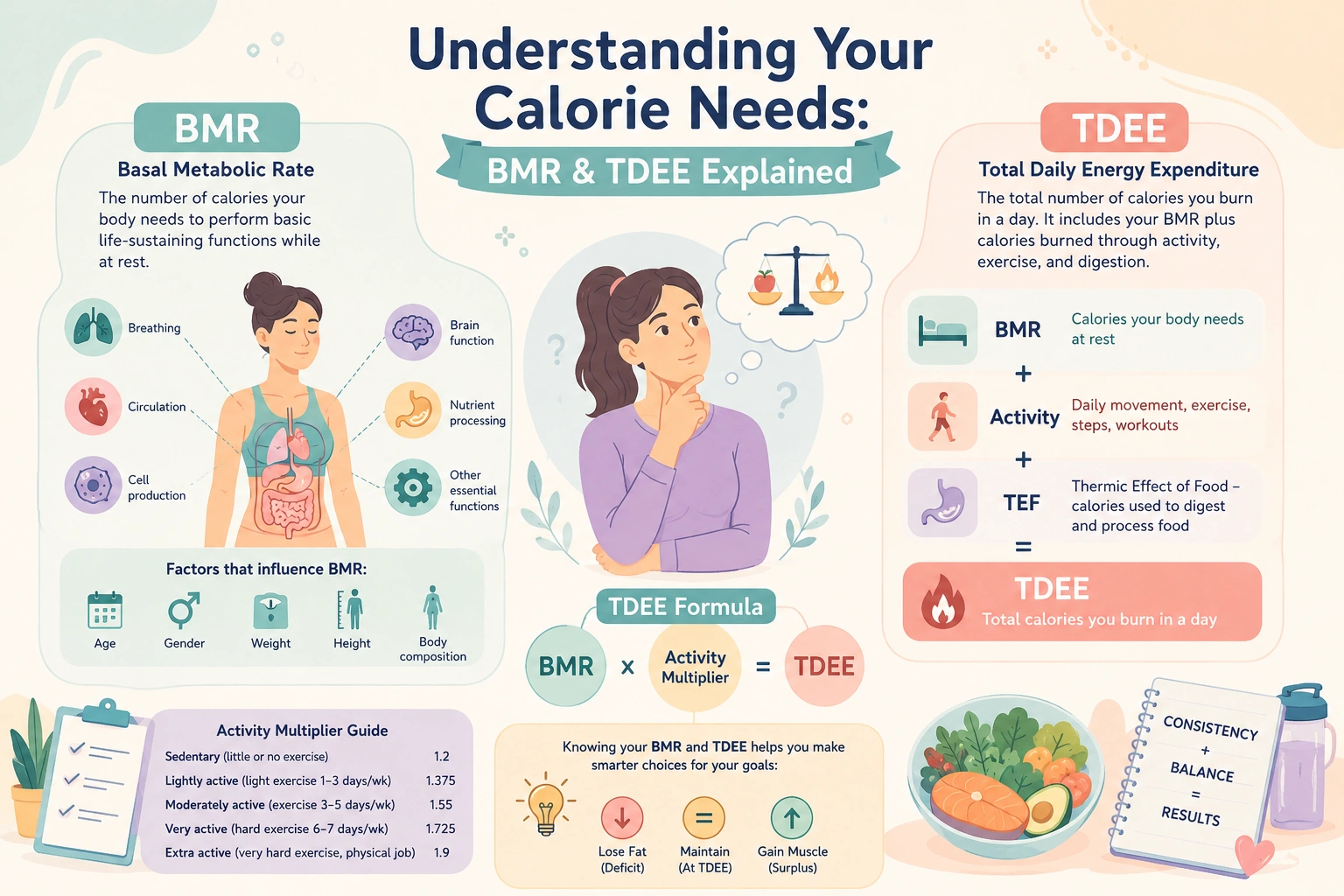
Before you can effectively manage weight, energy, or nutrition, you need to understand how many calories your body actually burns. This starts