Eating well doesn’t have to mean following a strict diet, cutting out entire food groups, or constantly thinking about what you shouldn’t eat.
A healthy way of eating is something you can actually maintain – on busy workdays, weekends, holidays, and even when you order takeout. Instead of focusing on restriction, a more sustainable approach is built around mindset, structure, balance, and consistency.
Stop thinking in terms of “good” and “bad” food
One of the biggest changes you can make is to stop labeling food as morally good or bad.
A cookie doesn’t make your day unhealthy, just as a salad doesn’t automatically make it healthy. What matters more is your overall eating pattern.
When you stop treating certain foods as completely off-limits, they often become less tempting and easier to enjoy without guilt or overeating. You can have dessert and still eat a nourishing dinner. You can enjoy pizza and still have a balanced breakfast the next morning.
Healthy eating is about what you do most of the time – not what you do perfectly.
Build meals around structure, not restriction
Instead of asking, “What can I remove from my diet?”, try asking:
“What can I add to make this meal more satisfying?”
A simple meal structure can help:
- Protein – eggs, chicken, fish, tofu, beans, lentils or Greek-style yogurt
- Fiber-rich carbohydrates – oats, potatoes, rice, whole grains or fruit
- Vegetables or fruit – for vitamins, minerals and fiber
- Healthy fats – avocado, nuts, seeds, olive oil or nut butter
You don’t need to follow this formula perfectly at every meal. Think of it as a framework that makes balanced eating easier without requiring you to count every calorie or macro.
Make healthy choices convenient
Sometimes the hardest part of eating well isn’t knowing what to eat – it’s having something available when you’re hungry.
Keep simple ingredients around that make balanced meals easy to put together. Washed vegetables, frozen fruit, cooked grains, canned beans, eggs, nuts or a protein source can turn into a meal with very little effort.
And don’t underestimate simple meals.
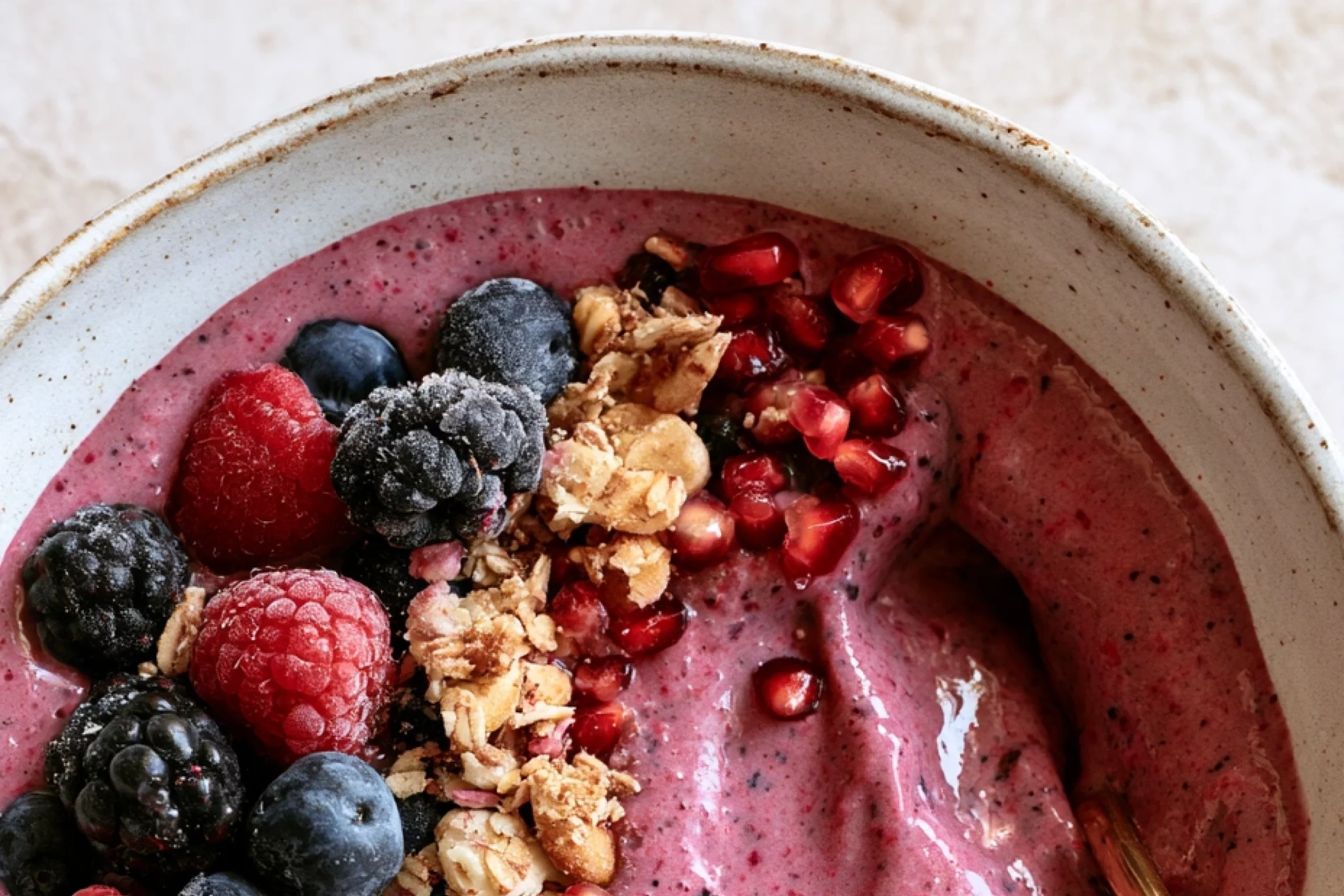
A bowl with rice, vegetables and chicken can be just as useful as an elaborate recipe. A smoothie can be breakfast. Toast with avocado and eggs can be lunch.
The best approach is one that fits your real life.
Give your meals some structure
You don’t need to eat at exactly the same time every day, but having some structure can make eating more predictable and help prevent getting extremely hungry.
For many people, this might look like:
Breakfast → Lunch → Snack → Dinner
Your schedule may look different, and that’s completely fine. The goal isn’t to create another set of rules. It’s to create a rhythm that works for you.
When meals are planned loosely rather than rigidly, you can make room for unexpected plans, restaurant meals and cravings without feeling like you’ve “ruined” your progress.
Leave room for foods you enjoy
A sustainable approach to food has room for pleasure.
If you genuinely love chocolate, there’s no need to build a lifestyle around avoiding chocolate. If you enjoy going out for dinner with friends, that experience should be part of your life – not something you need to compensate for afterward.
Trying to eat “perfectly” can create an exhausting cycle:
restriction → cravings → overeating → guilt → restriction again
Giving yourself permission to enjoy food can help break that cycle.
Focus on consistency, not perfection
You don’t need to eat perfectly every day to eat well.
Some days will naturally be more balanced than others. You might cook a nourishing meal one day and order takeout the next. You might eat more at a celebration or snack more while watching a movie.
That doesn’t mean you need to “start over” tomorrow.
Simply return to your usual routine at your next meal.
One meal doesn’t define your diet, just like one workout doesn’t define your fitness.
Change the way you talk to yourself about food
Mindset plays a huge role in sustainable eating.
Instead of:
“I’m not allowed to eat this.”
Try:
“I can have this, but I’m choosing what will make me feel my best right now.”
Instead of:
“I ruined my diet.”
Try:
“That meal was different from my usual choices. I can simply continue normally.”
This small shift takes food out of the guilt-and-restriction cycle and puts you back in control.
Healthy eating should make your life better
Food is more than calories and nutrients. It’s also about culture, social connection, enjoyment, comfort and celebration.
A sustainable approach doesn’t ask you to choose between health and enjoyment. It helps you create a way of eating where both can exist.
You don’t need another strict diet.
You need a flexible structure that helps you nourish yourself, enjoy your food and make choices that feel good – consistently.
The takeaway
Eat more nourishing foods. Enjoy the foods you love. Create some structure. Leave room for flexibility. And stop chasing perfection.
Because the healthiest way of eating isn’t the one you can follow for 30 days.
It’s the one you can genuinely live with.